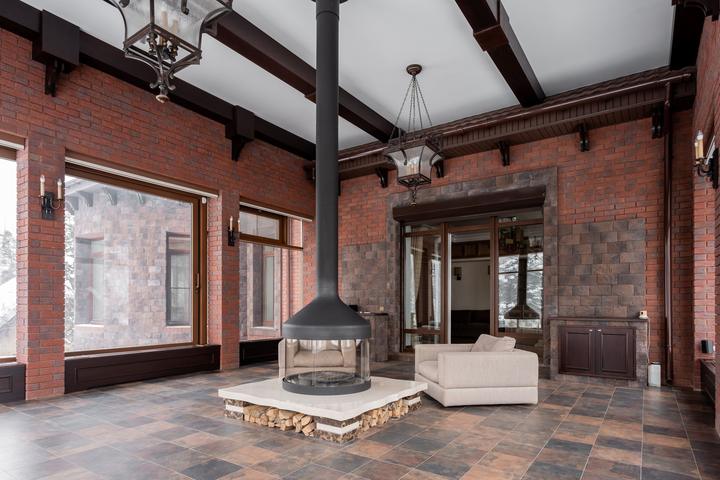
Cleaning and Upkeep of an Outdoor Fireplace
Ash after fires, refractory and grate checks, the flue, and the water that gets in.
Request a Free Inspection
Request Received
Thanks, your request is with us. Expect a call from our Spring Hill family to book the free inspection.
Quicker by phone? Call (352) 663-0381
After Each Fire, the Ash
One outdoor wood fireplace maker sets the routine: take the ashes out when they reach the bottom of the grate, and treat them as if they still hold hot embers, because they can. Its manual and EPA's guidance agree on where they go:
- Wait until the fire is completely out and the ash is cold.
- Shovel the ash into a metal container with a tight-fitting lid.
- Set the closed container on the ground or a non-combustible floor, away from anything that burns.
- Keep ash you plan to bury or spread in the closed container until every cinder is cold.
Firebox Lining and Grate Checks
Every cleanout is a chance to look at the firebox. The same manual says minor cracking of refractory from heating and cooling is normal, but the panels should be replaced when a crack is wider than 1/4 inch, when metal shows behind the panel, or when large pieces fall out. In a masonry fireplace, look for the same things in the fire brick and its joints.
Check the grate too. The maker's replacement points are a sag of 1 1/2 inches or more, broken welds, or bars burned through, and it calls for a replacement grate approved for that fireplace.
Soot, Creosote and the Flue
- Flue wall
- Dusty soot
- Smoke rising past the wall
An outdoor chimney makes creosote the same way an indoor one does. EPA explains that smoke condenses on the cool inside of the chimney, especially from slow fires and unseasoned wood, into a combustible residue that can cause a chimney fire. The outdoor fireplace manual calls for the chimney to be inspected at least twice a year during the heating season and cleaned whenever creosote has built up.
The NFPA 211 standard, quoted in national chimney safety advice, sets a yearly inspection as the minimum for any chimney, fireplace or vent, and that guidance treats 1/8 inch of sooty buildup in a masonry fireplace as the point to sweep. Climbing onto a roof or a tall outdoor chimney is a fall risk, so leave the flue to a chimney sweep.
Water Is the Other Mess
An outdoor fireplace takes rain every time it storms. The manual admits its unit is water resistant rather than waterproof, and recommends a drainage pan with tubes or weep holes wherever water can collect under it. After a storm, check the firebox for standing water and wet ash.
Much of the water comes in from the top. Leaves and birds' nests in the termination cap block the flue, the maker notes, and a rusted or missing cap lets rain straight down. The manual also asks owners to paint the termination cap with a rust-resistant paint.
Cleaning the Outside Face and Glass
Soot marks above the opening and on the hearth usually come off with a stiff brush and plain water once the fireplace is cold; ask before trying anything stronger on masonry. If the fireplace has glass doors, the maker recommends household glass cleaner for light deposits and wood ash on a damp cloth or a fireplace glass cleaner for heavy ones, never an abrasive cleaner and never on hot glass. Painted metal trim that has blistered from heat can be repainted with heat-resisting stove paint, as one fire bowl supplier advises.
A Yearly Look From Our Crew
- Chimney cap
- Chimney stack
- Firebox
- Stone or brick facing
- Hearth
- Concrete footing
An annual visit covers the flue, the cap, the refractory and the drainage in one go, and it is part of our outdoor fireplace work. Expect a free inspection and a written estimate for anything that needs fixing, from a local family business and an experienced sweep.
Proudly American and tidy about it, we clean up the patio before leaving, as any Proudly American tradesman should.
Homeowner Guides
Questions and Answers
How do you clean soot off an outdoor fireplace?
How do you clean exterior fireplace brick?
How do you clean an outdoor chimney?
Related Services
How a Visit Works

Proudly American
Run by a Spring Hill family: experienced hands, a written estimate before work starts and a workmanship warranty on our repairs.

10% Off Work Booked in the 72 Hours After Your Inspection
The inspection is free. Any service booked in the 72 hours after it is 10% off.

Request Your Free Spring Hill Inspection
Leave your details and we will call back to pick a time that suits you.
- Free inspection and a written estimate
- Same-day service available
- Family owned and run in Spring Hill
Request Received
Thanks, your request is with us. Expect a call from our Spring Hill family to book the free inspection.

Catch the Chimney Problem While It Is Small
Ask for a free inspection at your Spring Hill home and see a written estimate before any work begins.