Old nest or leaves, no animals inside
Clear, sweep and cap the flue
The liner is checked behind the nest.
 Proudly American · Family owned and run in Spring Hill
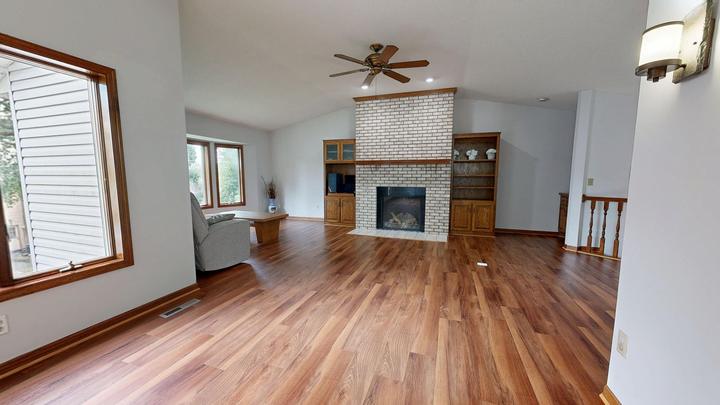
We find what is in the flue, take it out safely, check the liner behind it, and stop it coming back.
Request a Free Inspection
Request Received
Thanks, your request is with us. Expect a call from our Spring Hill family to book the free inspection.
Quicker by phone? Call (352) 663-0381

Book blocked chimney clearing within 72 hours of your free inspection and take 10% off.
A blocked chimney is a flue that smoke cannot pass through freely, usually because of a bird or animal nest, leaves, a fallen flue tile or mortar, heavy soot, or a cap screen matted shut. Clearing it means finding the blockage, removing it without burning anything, checking the liner behind it, and capping the flue against a repeat.
Most blocked chimney symptoms show up the moment you light a fire. Smoke drifts into the room instead of up the flue, the fire smolders and will not draw, or the room smells of smoke for days after. Before the first fire of the season there are quieter signs: nest material, leaves or twigs in the firebox, soot or debris piled on the smoke shelf, and sounds from inside the flue.
You can safely check a few things yourself. With the fireplace cold, open the damper and look up with a flashlight: on a straight flue you should see daylight or the underside of the cap. Look at the cap from the ground with binoculars for a screen packed with soot or a missing cap. Do not climb onto the roof, and do not light a fire to test it. A clogged chimney sends smoke, and with it carbon monoxide, back into the house, which is why the NFPA advises a working CO alarm in every home with fuel-burning equipment.
A blocked chimney flue is usually one of five things. Nests of birds, squirrels or rats in an uncapped flue. Leaves, palm debris and twigs blown in at the top. Pieces of clay flue tile or mortar that broke loose and wedged lower down. Heavy soot and creosote that narrowed the flue. And a cap screen so caked with soot that the smoke cannot get out at the top.
Each needs a different fix, and each can hide damage behind it. A fallen tile means the liner above has a gap. A nest held against the flue for a season can hold moisture and debris. That is why we check the flue after clearing it, not just pull the blockage and leave. Florida's Fuel Gas code, section 503.5.6, also asks for the chimney passageway to be examined and found clear before a gas appliance is connected to it.
Lighting a hot fire to burn out a nest or a clog is dangerous. Dry nest material and soot catch fire easily, and a chimney fire inside a damaged flue can reach the framing around it. Smoke from a smoldering nest also comes straight back into the room. Clear the blockage first; light the fireplace only after the flue is open and checked.
Some blockages are alive, or were, and they need care before anyone touches the nest. Chimney swifts, small birds that nest in masonry chimneys, are protected by the Migratory Bird Treaty Act; the U.S. Fish and Wildlife Service says they arrive in March or April and leave in August or September, and asks that chimney cleaning and repairs wait until they are gone. A live animal in the flue is a job for chimney animal removal first, and the flue is cleared after it is out.
Our guides cover the animals people find in chimneys and fireplaces, one by one:
The blockage comes out from the top or the bottom, depending on where it sits, with the opening sealed and the room covered. Nest material and debris are bagged and hauled away. Then we sweep the flue, look at the liner, smoke chamber and damper, and put the fix in writing.
A cap is what stops most blockages from coming back, but it has to be the right one. On a factory-built metal chimney, it is the cap listed for that system, as section R1005.1 of the Florida code requires. On a masonry flue, a cap with a screen keeps out birds and animals, and section R1003.9.2 requires a spark arrestor's open area to be at least four times the flue outlet so it does not choke the draft. The FWS asks owners not to cap a masonry chimney that swifts already use, and recommends caps on metal-lined chimneys so birds do not get trapped. We tell you which applies to yours. The cap itself is quoted as chimney cap replacement.
The inspection is free: from the firebox, the roof and, where it helps, the attic. The written estimate for clearing, any liner repair and the cap comes before any work starts. The NFPA advises having chimneys cleaned and inspected every year by a qualified professional, which is also the surest way to find a nest before the first fire. Our experienced crew belongs to a local, family-owned business, Proudly American, and follows NFPA 211, the Standard for Chimneys, Fireplaces, Vents, and Solid Fuel-Burning Appliances.
What is in the flue decides how it comes out.

Leave your details and we will call back to pick a time that suits you.
Request Received
Thanks, your request is with us. Expect a call from our Spring Hill family to book the free inspection.
Smoke rolling into the room on a cool evening is the sign of a blocked flue that nobody misses. Our local, family-owned crew finds what is in it and where, removes it from the top or the bottom, checks the liner for damage, and fits a cap so it does not happen again. The inspection is free.
Run by a Spring Hill family: experienced hands, a written estimate before work starts and a workmanship warranty on our repairs.





Flue cleared, liner checked behind the blockage and the cap fitted right. Proudly American and family-run.
The inspection costs nothing. Schedule any service in the 72 hours after it to get a 10% discount.
Request Received
Thanks, your request is with us. Expect a call from our Spring Hill family to book the free inspection.
Quicker by phone? Call (352) 663-0381