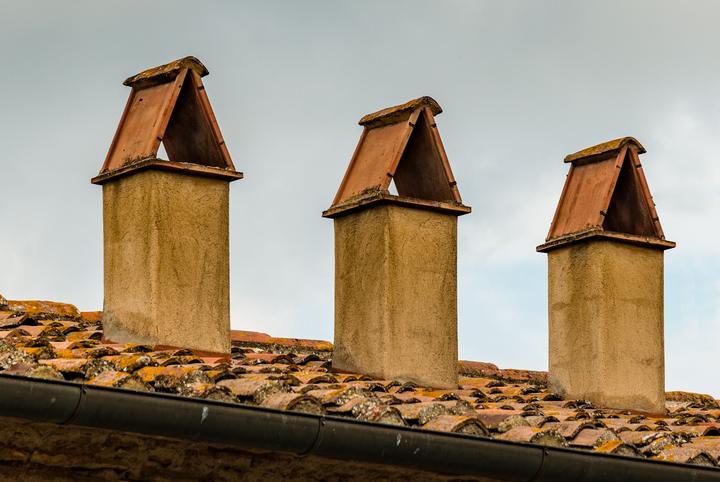
A Woodpecker Drumming on the Chimney Cap
Why a metal cap is the loudest drum in the neighborhood, and what you may and may not do about it.
Request a Free Inspection
Request Received
Thanks, your request is with us. Expect a call from our Spring Hill family to book the free inspection.
Quicker by phone? Call (352) 663-0381
Why It Chose Your Chimney
The Internet Center for Wildlife Damage Management, which draws on the university handbook Prevention and Control of Wildlife Damage, describes drumming plainly: a rhythmic pecking sequence woodpeckers use to make their presence known. It establishes territories and apparently attracts or signals mates, and both males and females do it by striking their bills against a hollow or dried branch or other hollow or resonant objects.
A sheet metal chimney cap is a highly resonant object on a house. The sound carries down the flue into the fireplace and across the neighborhood, which is the point. There are no insects in a steel cap, so this is not the feeding damage woodpeckers do to wood siding. It is a bird using your roof as a loudspeaker.
Drumming or Damage?
It helps to know which one you have. The wildlife damage guidance describes feeding damage to buildings as rows of holes in wooden structures, sometimes with wood chips on the ground below. Drumming leaves no holes in steel. It is a burst of fast, rhythmic knocking, repeated from the same perch, and indoors it can sound loudest near the fireplace, carried down the flue from the cap above.
If you find holes in the wood trim, fascia or a wood-sided chase near the chimney, that is a different problem from the noise on the cap, and the guidance for it is about covering and repairing the wood.
What the Law Allows
The same source states that all species of woodpeckers are classified as migratory non-game birds and protected by the federal Migratory Bird Treaty Act, and that the red-cockaded woodpecker is on the endangered species list with full protection. The federal list of protected migratory birds in 50 CFR 10.13 names the woodpeckers among the species covered.
In practice that leaves a clear line. Killing or trapping a woodpecker requires a depredation permit from the U.S. Fish and Wildlife Service, and state authorization may also be needed, with sound justification behind it. Hazing, meaning scaring the bird away, does not require a permit if the species is not endangered. A noisy cap is never a reason to harm the bird.
Harmless Ways to Move It On
The wildlife damage guidance stresses one point above all: woodpeckers are persistent and are not easily driven from their territories or pecking sites, so frightening methods work best when they start as soon as the problem is noticed, before the territory is well established. Waiting a few weeks to see if it stops gives the bird time to settle in.
Methods the guidance lists for frightening woodpeckers:
- Loud noises when the bird is drumming, such as clapping or banging a garbage can lid, repeated every time it returns.
- Reflective tape, such as Mylar or Irri-Tape strips, hung where the bird lands.
- Strips of aluminum foil, bright plastic streamers or aluminum pie pans hung nearby.
- Pinwheels or twirlers that combine movement with reflection, which are believed to work better than stationary devices.
Mirrors and Other Shiny Things, With Care
Round, magnifying shaving mirrors are listed in the same guidance as a way to frighten woodpeckers with a larger-than-life reflection of themselves. The guidance also warns of the opposite effect: a woodpecker that sees its own reflection, for example in a window, may become more aggressive because it reads the reflection as a rival in its territory. A mirror or very shiny surface is worth trying only where the bird will not perch in front of it and keep fighting it.
Expect the bird to look for another drum once the cap stops working for it. Gutters, metal vent caps and flashing are all hollow and resonant. Covering one spot can move the problem a few feet, which the guidance notes about protected areas in general.
What Usually Does Not Work
The same source is blunt about the popular options. Stationary hawk, owl, snake and cat silhouettes are usually ineffective, and balloons painted with owl eyes did not work in trials. Ultrasonic devices are above the hearing range of most birds and rarely work as advertised. Portable radios have little success. And frightening devices in general often fail to give the result people want, which is why exclusion is the fallback for wood siding.
Please Stay Off the Roof
Every deterrent above goes up near the chimney, and the chimney is on the roof. A fall from a roof is a far worse outcome than a few mornings of drumming. Hang tape or streamers only where you can reach from the ground or a secure balcony, and leave anything on the roof itself to someone with the right ladder and fall protection.
While someone is up there, it is worth checking the cap itself. A cap that has worked loose on its fasteners or has a dented, rattling lid can ring louder, which makes it an even better drum.
When the Cap Itself Needs Attention
- Cap lid
- Mesh screen
- Top flue tile
- Crown
If the drumming has bent the cap, loosened the screen or opened a gap where the cap meets the crown or chase cover, that is a repair, not a bird problem. A gap at the top of a chimney lets in rain and small animals, which bring their own trouble; see roaches coming from fireplace for one example. Our chimney cap replacement service resecures or replaces a cap so it sits tight.
Roof work is our side of this. A family-owned company with local roots in Spring Hill and Proudly American, we send an experienced crew to check and secure the cap after a free inspection and a written estimate. We are fond of woodpeckers, as long as they drum somewhere else, and that is a Proudly American promise we can keep without harming one.
Sources
- Internet Center for Wildlife Damage Management: woodpeckers: Drumming on hollow or resonant objects establishes territories and signals mates; all woodpeckers protected by the Migratory Bird Treaty Act; red-cockaded endangered; depredation permit from USFWS; hazing needs no permit for non-endangered species
- Internet Center for Wildlife Damage Management: woodpecker damage prevention and control: Woodpeckers persistent; frightening devices early; loud noises; Mylar and Irri-Tape; foil strips, pie pans, twirlers; stationary predator models and owl balloons ineffective; ultrasonic rarely effective; radios little success
- 50 CFR 10.13, list of migratory birds protected by federal law: Woodpeckers on the federal list of protected migratory birds
Homeowner Guides
Related Services
How a Visit Works

Proudly American
Run by a Spring Hill family: experienced hands, a written estimate before work starts and a workmanship warranty on our repairs.

10% Off Work Booked in the 72 Hours After Your Inspection
The inspection is free. Any service booked in the 72 hours after it is 10% off.

Request Your Free Spring Hill Inspection
Leave your details and we will call back to pick a time that suits you.
- Free inspection and a written estimate
- Same-day service available
- Family owned and run in Spring Hill
Request Received
Thanks, your request is with us. Expect a call from our Spring Hill family to book the free inspection.

Catch the Chimney Problem While It Is Small
Ask for a free inspection at your Spring Hill home and see a written estimate before any work begins.